Preparing Balanced Meals at Home
Published: February 2026
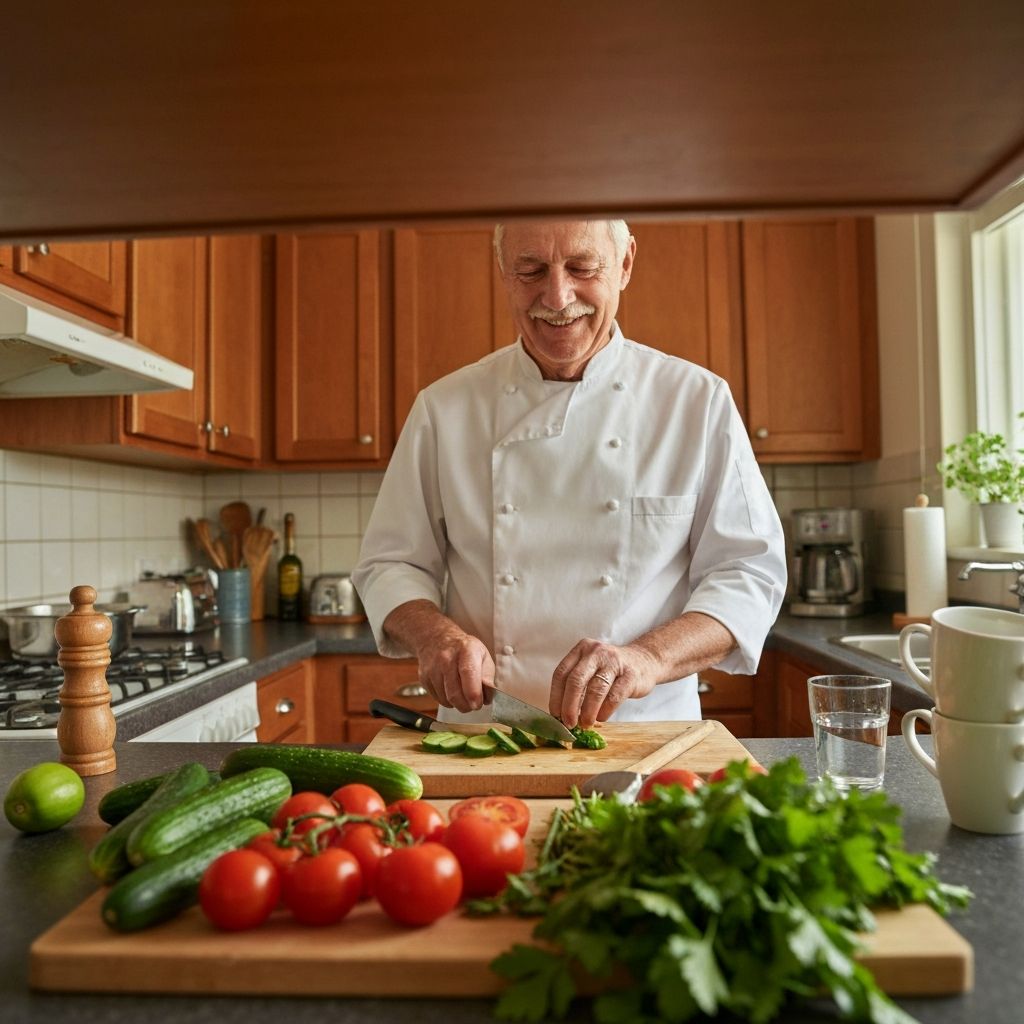
Introduction to Home Meal Preparation
Home meal preparation encompasses a wide range of practices, from simple assembly of ingredients to complex cooking processes. The home environment provides opportunities for direct control over ingredient selection, portion sizes, and cooking techniques.
This article explores general principles related to preparing meals at home, describing common approaches and considerations without offering personal recommendations.
Ingredient Selection in Home Cooking
When preparing meals at home, individuals typically select ingredients from various sources including supermarkets, local markets, and specialty shops. The selection process involves considerations such as:
- Availability of fresh produce, proteins, and grains
- Seasonal variations in ingredient options
- Storage capabilities and shelf life
- Budget constraints and economic factors
- Personal preferences and dietary patterns
Home cooking allows for direct observation and handling of ingredients before use, which differs from the pre-prepared state of restaurant meals.
Common Cooking Methods at Home
Home kitchens typically accommodate various cooking methods, each with distinct characteristics:
Boiling and Steaming: These water-based methods are commonly used for vegetables, grains, and certain proteins. They require minimal added fats and preserve the natural characteristics of ingredients.
Baking and Roasting: Oven-based cooking distributes heat evenly around food. This method is used for a wide variety of dishes including vegetables, proteins, and grain-based items.
Sautéing and Stir-frying: Pan-based cooking with varying amounts of fats or oils allows for quick preparation and the combination of multiple ingredients.
Grilling: Direct heat application creates distinct flavours and textures, commonly used for proteins and vegetables.
The choice of cooking method influences the final nutritional composition, texture, and flavour profile of meals.
Meal Planning and Organisation
Many individuals who cook at home engage in some form of meal planning, which may range from informal mental notes to detailed written schedules. Planning approaches vary widely based on:
- Time availability for shopping and cooking
- Number of people being served
- Frequency of home-cooked meals
- Complexity preferences in meal preparation
- Storage and preservation capabilities
Some people prepare ingredients or entire meals in advance, whilst others prefer to cook immediately before consumption. Both approaches can support varied and balanced eating patterns.
Portion Control in Home Settings
Home preparation allows individuals to determine serving sizes directly. Portion sizes at home are influenced by factors including hunger levels, time of day, physical activity patterns, and personal habits developed over time.
Unlike standardised restaurant portions, home servings can be adjusted during the meal itself. This flexibility means that home portion sizes vary considerably between individuals and occasions.
Nutritional Considerations
The nutritional composition of home-cooked meals depends on numerous factors including ingredient choices, cooking methods, and portion sizes. Home cooking provides opportunities to:
- Select specific types of fats and oils
- Control salt and seasoning levels
- Choose wholegrain or refined grain options
- Determine the ratio of vegetables to other components
- Adjust sweetener types and quantities
These elements combine in countless ways, resulting in wide nutritional variation even within home-cooked meals.
Time and Skill Factors
Home meal preparation requires varying amounts of time and cooking skill. Simple meals might involve minimal preparation, whilst complex dishes can require extended time and developed techniques.
Cooking skills are acquired through experience, observation, and practice. The time investment in home cooking varies from under ten minutes for basic meals to several hours for elaborate preparations.
Examples of Home-Prepared Balanced Meals
Balanced meals at home typically combine multiple food groups. Common examples include:
- Grilled salmon with steamed broccoli and quinoa
- Chicken stir-fry with mixed vegetables and brown rice
- Lentil soup with wholegrain bread and side salad
- Pasta with tomato-based sauce, vegetables, and lean protein
- Omelette with vegetables and wholegrain toast
These examples illustrate common patterns but do not represent recommendations or ideal meals. Actual home meal patterns vary extensively.
Limitations and Variables
Home cooking is not inherently superior or inferior to other meal sources. The nutritional outcome depends on specific choices made during ingredient selection, preparation, and consumption.
Factors such as available time, cooking facilities, budget constraints, and skill level all influence what is practical and achievable for home meal preparation. Individual circumstances vary considerably.
Educational Context
This article provides general educational information about home meal preparation. It does not constitute personal advice or recommendations.
Dietary needs and preferences vary widely among individuals. The information presented here is intended to explain concepts, not to guide individual food choices.
Readers are encouraged to make meal preparation decisions based on their own circumstances, preferences, and judgment.